Born in Silicon Valley and conceived by Kathy Wang on August 25, 2026, Tokenland began with an image she encountered circulating on Reddit and LinkedIn: programmers playing an online card game, using AI tokens as stakes.
What looked like an inside joke suggested something much larger. Access to computation was becoming something people could desire, exchange, win, and lose. A technical resource was entering the language of everyday life.
In that image, Tokenland saw the outline of a world.
What happens when the currency we carry can also create the things we want?
Civilizations have organized themselves around the resources they value. Land offered security. Fuel powered movement. Money made unlike things exchangeable. Tokenland proposes another possibility: in the age of artificial intelligence, access to computation could become a currency of creation.
Three works of science fiction give this proposition its emotional and philosophical shape: In Time, Westworld, and Ready Player One.
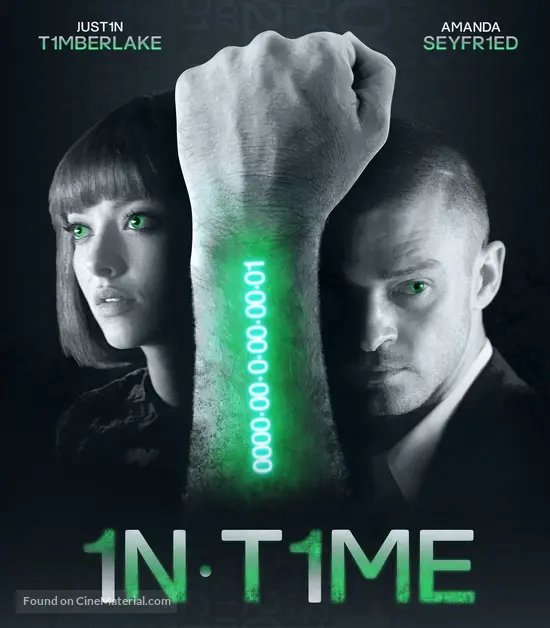
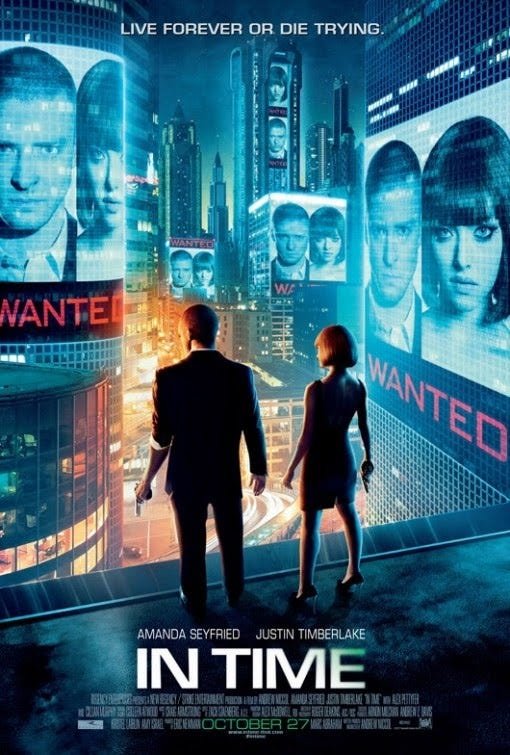
In In Time, remaining life becomes currency. People work for time, pay with time, and die when their balance reaches zero. Every purchase reveals its human cost. A meal, a journey, a moment of comfort—all are measured against the same finite resource.
ReferenceIn Time (2011), dir. Andrew Niccol · 20th Century Fox
The film makes visible something ordinary money allows us to forget: we spend our lives to obtain it. Currency and what it sustains become inseparable. Exchange becomes immediate; its consequences become impossible to ignore. That same simplicity also exposes profound inequality.
Tokenland carries this tension into a new question: if tokens grant access to intelligence and creation, what becomes possible when you have more—and what remains beyond reach when you have less?
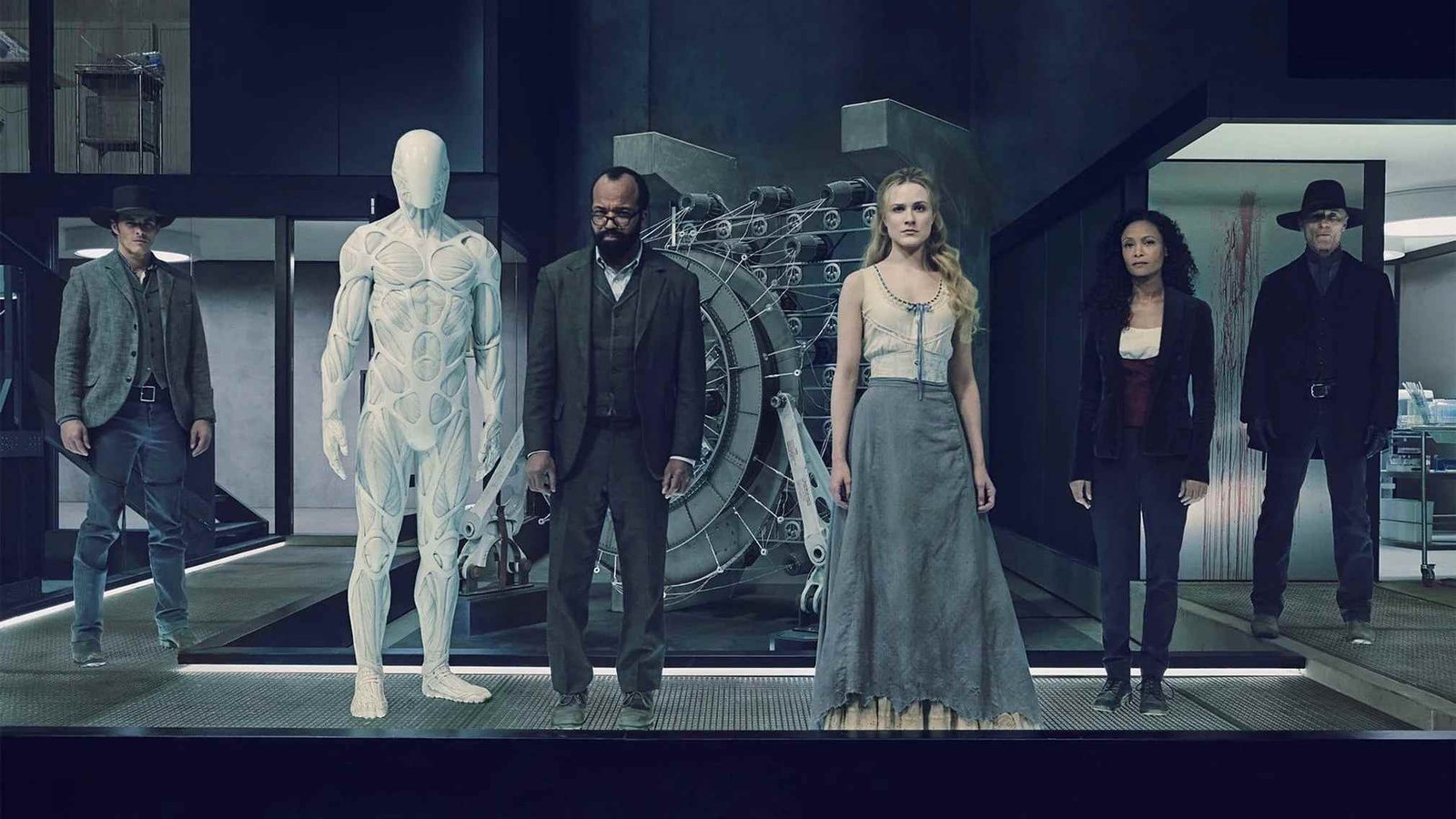
Westworld challenges another boundary. Its engineered environments and artificial beings produce encounters felt through the body, emotions, and memory. A constructed world can generate genuine attachment, fear, wonder, and consequence.
ReferenceWestworld (2016–2022), created by Jonathan Nolan & Lisa Joy · HBO
An experience can be real even when the world producing it is designed.
The friendship matters. The exhilaration matters. The memory follows you home. The boundary between physical and virtual, by itself, cannot determine what an experience is worth.
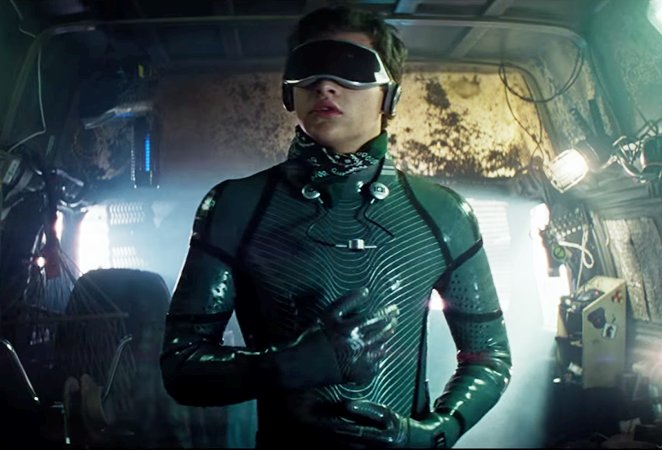
Ready Player One reveals how these experiences can participate in an economy.
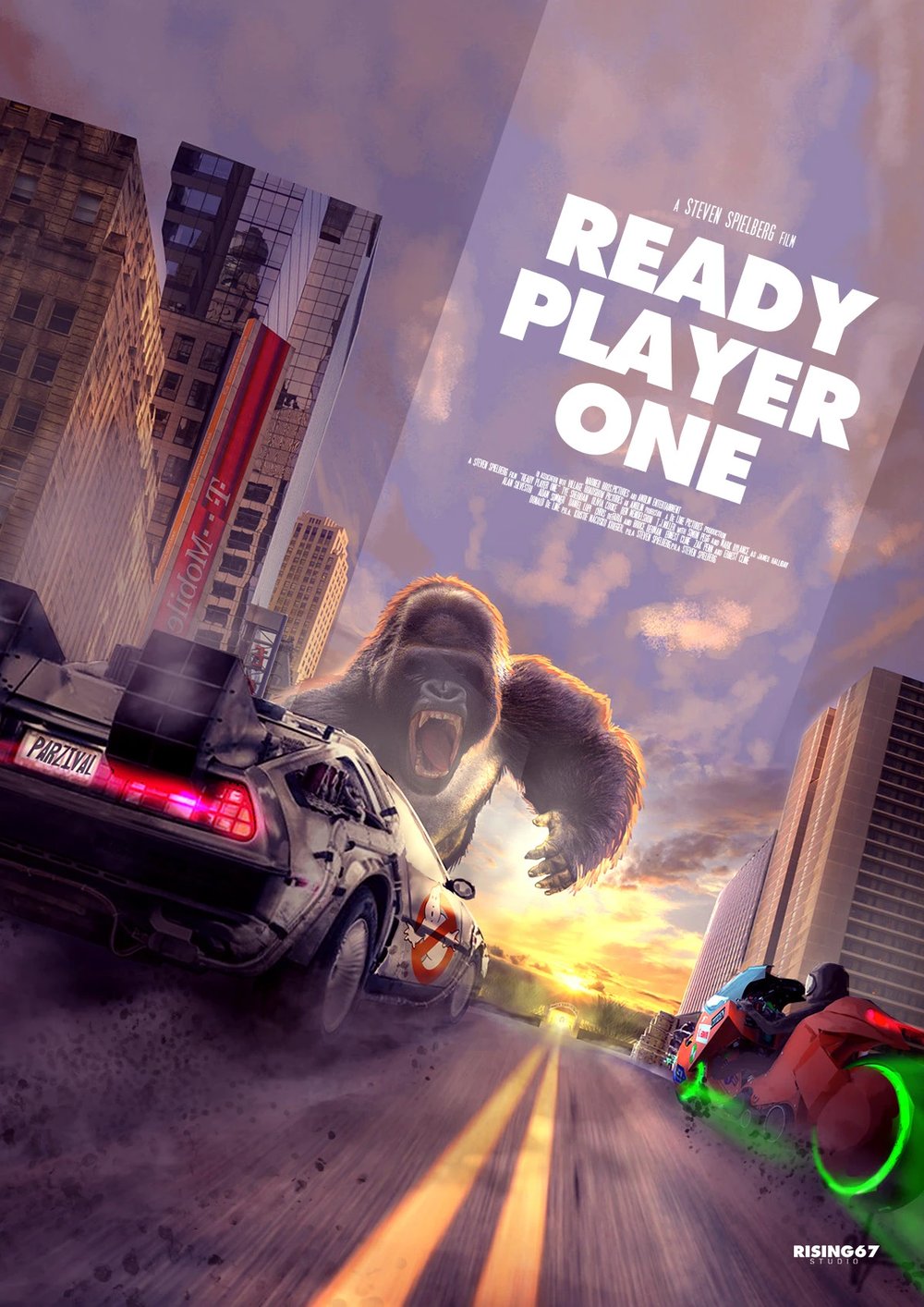
ReferenceReady Player One (2018), dir. Steven Spielberg · Warner Bros.
Inside the OASIS, a vehicle is a digital asset: built through human craft and software, brought into motion by computation. Players spend in-world currency to acquire equipment and improve their capabilities, then use those capabilities to compete. Success earns rewards; those rewards can purchase physical goods, including a haptic suit delivered into the real world.
Digital resources become a vehicle. The vehicle becomes competitive capability. Capability helps earn rewards. Rewards become something a person can hold, wear, and use.
Tokenland extends this loop with a proposition of its own: what if access to computation itself became the currency?
A Token would represent both purchasing power and access to the resource that makes an experience possible. Spend it to create or upgrade a vehicle. Drive that vehicle into a competition. Earn new Tokens, experiences, or physical rewards through play.
Computation becomes an asset you can use, an opportunity you can pursue, and value you can carry into everyday life.
Tokenland’s first expression is a deliberately small physical space: a minimum viable world. An arcade where visitors enter an unfamiliar economy and discover its rules through play. They earn, spend, exchange, and choose. Each balance represents possibilities; each decision reveals what those possibilities mean.
Within this world, computation is the organizing resource. Tokens make access to it visible and tangible.
The ambition is civilizational. The starting point is human: a wristband, a game, a decision, a moment of surprise.
Tokenland belongs to a long tradition of inventing worlds to examine our own. Science fiction gave these questions stories. Games gave them rules. Tokenland gives them a place people can enter together.
Who gets to create? Who gets access to intelligence? Who can turn an imagined future into an experience others can share?
A visitor may arrive to win a game. Tokenland hopes they leave with a different understanding of value—and the feeling that the future is something they can help shape.
In Tokenland, compute becomes currency. Currency becomes possibility. And possibility becomes something you can live.
실리콘밸리에서 탄생한 Tokenland는 2026년 8월 25일 Kathy Wang이 구상했으며, Reddit과 LinkedIn에서 공유되던 한 이미지에서 시작되었습니다. 프로그래머들이 온라인 카드 게임을 하며 AI 토큰을 판돈으로 걸고 있는 모습이었습니다.
기술 업계의 농담처럼 보였던 그 장면은 더 큰 변화를 암시했습니다. 연산 자원에 대한 접근이 사람들이 원하고, 교환하고, 얻거나 잃을 수 있는 대상으로 바뀌고 있었습니다. 기술 자원이 일상생활의 언어로 들어오고 있었던 것입니다.
Tokenland는 그 이미지에서 하나의 세계가 모습을 드러내는 것을 보았습니다.
우리가 가진 화폐가 원하는 것을 직접 만들어 낼 수도 있다면, 어떤 일이 일어날까요?
문명은 소중하게 여기는 자원을 중심으로 질서를 만들어 왔습니다. 토지는 삶의 터전을 제공했고, 연료는 이동을 가능하게 했으며, 돈은 서로 다른 것들을 교환할 수 있게 했습니다. Tokenland는 또 하나의 가능성을 제안합니다. 인공지능 시대에는 연산 자원에 대한 접근이 창조를 위한 화폐가 될 수 있다는 것입니다.
세 편의 SF 작품이 이 구상에 감정적·철학적 형태를 부여합니다. 《인 타임》, 《웨스트월드》, 그리고 《레디 플레이어 원》입니다.
《인 타임》에서는 남은 수명이 화폐가 됩니다. 사람들은 일해서 시간을 벌고, 시간으로 지불하며, 잔액이 0이 되면 죽습니다. 모든 구매는 그 대가로 소모되는 삶을 드러냅니다. 한 끼의 식사, 한 번의 이동, 잠깐의 안락함까지 모두 같은 유한한 자원으로 계산됩니다.
참고《인 타임》(2011), 감독 앤드루 니콜 · 20세기 폭스
이 영화는 보통의 돈이 잊게 만드는 사실을 눈앞에 보여 줍니다. 우리는 돈을 얻기 위해 삶의 시간을 내어 줍니다. 화폐와 그것이 유지하는 생명은 분리될 수 없게 됩니다. 교환은 즉각적으로 이루어지고, 그 결과는 외면할 수 없게 됩니다. 동시에 이러한 단순함은 깊은 불평등도 드러냅니다.
Tokenland는 이 긴장을 새로운 질문으로 이어 갑니다. 토큰이 지능과 창조 능력에 접근할 기회를 결정한다면, 더 많이 가진 사람에게는 무엇이 가능해지고, 더 적게 가진 사람에게는 무엇이 여전히 닿을 수 없는 곳에 남을까요?
《웨스트월드》는 또 다른 경계에 도전합니다. 설계된 환경과 인공적으로 만들어진 존재들은 몸과 감정, 기억으로 느끼는 만남을 만들어 냅니다. 구축된 세계에서도 진정한 애착, 두려움, 경이로움과 결과가 생길 수 있습니다.
참고《웨스트월드》(2016–2022), 제작 조너선 놀런·리사 조이 · HBO
경험을 만들어 내는 세계가 설계된 것이라 해도, 그 경험은 실제일 수 있습니다.
우정은 의미가 있습니다. 가슴 뛰는 흥분도 의미가 있습니다. 집으로 돌아온 뒤에도 남는 기억 역시 의미가 있습니다. 물리적 세계와 가상 세계 사이의 경계만으로는 경험의 가치를 판단할 수 없습니다.
《레디 플레이어 원》은 이러한 경험이 어떻게 경제의 일부가 되는지 보여 줍니다.
참고《레디 플레이어 원》(2018), 감독 스티븐 스필버그 · 워너 브라더스
OASIS 안에서 자동차는 디지털 자산입니다. 사람의 기술과 소프트웨어로 만들어지고, 연산을 통해 움직입니다. 플레이어는 세계 안의 화폐로 장비를 얻고 능력을 높인 다음, 그 능력을 활용해 경쟁합니다. 성공하면 보상을 얻고, 그 보상으로 현실 세계에 배송되는 햅틱 슈트 같은 실물 상품을 구매할 수 있습니다.
디지털 자원은 자동차가 됩니다. 자동차는 경쟁할 수 있는 능력이 됩니다. 그 능력은 보상을 얻는 데 도움을 줍니다. 보상은 다시 사람이 손에 쥐고, 입고, 사용할 수 있는 물건이 됩니다.
Tokenland는 이 순환을 확장하며 독자적인 질문을 던집니다. 연산 자원에 대한 접근 자체가 화폐가 된다면 어떨까요?
하나의 Token은 구매력과 함께, 경험을 가능하게 하는 자원에 접근할 기회를 나타냅니다. 그것으로 자동차를 만들거나 업그레이드합니다. 그 자동차를 몰고 경기에 참가합니다. 그리고 게임을 통해 새로운 Token, 경험 또는 실물 보상을 얻습니다.
연산 자원은 사용할 수 있는 자산, 도전할 수 있는 기회, 그리고 일상으로 가져갈 수 있는 가치가 됩니다.
Tokenland의 첫 형태는 의도적으로 작은 물리적 공간입니다. 최소한의 규모로 구현한 하나의 세계입니다. 방문객은 아케이드에서 낯선 경제에 들어가 놀이를 통해 규칙을 발견합니다. 벌고, 쓰고, 교환하고, 선택합니다. 각각의 잔액은 가능성을 나타내며, 각각의 결정은 그 가능성이 무엇을 의미하는지 드러냅니다.
이 세계에서 연산 자원은 모든 것을 조직하는 핵심 자원입니다. Token은 그 자원에 대한 접근을 눈에 보이고 손에 잡히는 것으로 만듭니다.
그 비전은 문명의 규모를 향합니다. 출발점은 인간의 일상에 있습니다. 손목 밴드 하나, 게임 한 판, 한 번의 선택, 놀라움을 느끼는 순간입니다.
Tokenland는 상상의 세계를 만들어 우리가 사는 세계를 돌아보는 오랜 전통을 잇습니다. SF는 이 질문들에 이야기를 주었습니다. 게임은 규칙을 주었습니다. Tokenland는 사람들이 함께 들어갈 수 있는 장소를 제공합니다.
누가 창조할 기회를 얻을까요? 누가 지능에 접근할 수 있을까요? 누가 상상한 미래를 다른 사람도 함께할 수 있는 경험으로 바꿀 수 있을까요?
방문객은 게임에서 이기기 위해 찾아올지도 모릅니다. Tokenland는 그들이 돌아갈 때 가치에 대한 새로운 이해와 함께, 미래를 만드는 데 자신도 참여할 수 있다는 감각을 가져가기를 바랍니다.
Tokenland에서 연산 자원은 화폐가 됩니다. 화폐는 가능성이 됩니다. 그리고 가능성은 직접 살아 볼 수 있는 경험이 됩니다.
Un pequeño espacio para una civilización que aún está por llegar
Nacido en Silicon Valley y concebido por Kathy Wang el 25 de agosto de 2026, Tokenland surgió de una imagen que encontró circulando en Reddit y LinkedIn: unos programadores jugaban a las cartas en línea y apostaban tokens de IA.
Lo que parecía una broma entre especialistas sugería algo mucho mayor. El acceso a la capacidad de cómputo se estaba convirtiendo en algo que las personas podían desear, intercambiar, ganar y perder. Un recurso tecnológico estaba entrando en el lenguaje de la vida cotidiana.
En aquella imagen, Tokenland vio los contornos de un mundo.
¿Qué sucede cuando la moneda que llevamos también puede crear aquello que deseamos?
Las civilizaciones se han organizado alrededor de los recursos que valoran. La tierra ofrecía seguridad. El combustible permitía desplazarse. El dinero hacía posible intercambiar cosas diferentes. Tokenland propone otra posibilidad: en la era de la inteligencia artificial, el acceso a la capacidad de cómputo podría convertirse en una moneda para crear.
Tres obras de ciencia ficción dan forma emocional y filosófica a esta propuesta: In Time, Westworld y Ready Player One.
En In Time, el tiempo de vida restante se convierte en moneda. Las personas trabajan para ganar tiempo, pagan con tiempo y mueren cuando su saldo llega a cero. Cada compra revela su coste humano. Una comida, un viaje, un instante de comodidad: todo se mide con el mismo recurso finito.
ReferenciaIn Time (2011), dir. Andrew Niccol · 20th Century Fox
La película hace visible algo que el dinero convencional nos permite olvidar: entregamos parte de nuestra vida para conseguirlo. La moneda y la vida que sostiene se vuelven inseparables. El intercambio es inmediato y resulta imposible ignorar sus consecuencias. Esa misma sencillez también revela una profunda desigualdad.
Tokenland traslada esta tensión a una nueva pregunta: si los tokens dan acceso a la inteligencia y a la creación, ¿qué se vuelve posible cuando tienes más y qué sigue fuera de tu alcance cuando tienes menos?
Westworld cuestiona otra frontera. Sus entornos diseñados y sus seres artificiales producen encuentros que se sienten a través del cuerpo, las emociones y la memoria. Un mundo construido puede generar vínculos, miedo, asombro y consecuencias auténticos.
ReferenciaWestworld (2016–2022), creada por Jonathan Nolan y Lisa Joy · HBO
Una experiencia puede ser real aunque el mundo que la produce haya sido diseñado.
La amistad importa. La emoción importa. El recuerdo te acompaña a casa. La frontera entre lo físico y lo virtual, por sí sola, no puede determinar cuánto vale una experiencia.
Ready Player One muestra cómo estas experiencias pueden formar parte de una economía.
ReferenciaReady Player One (2018), dir. Steven Spielberg · Warner Bros.
Dentro del OASIS, un vehículo es un activo digital: creado mediante el trabajo humano y el software, y puesto en movimiento por la capacidad de cómputo. Los jugadores gastan moneda del mundo virtual para adquirir equipamiento y mejorar sus capacidades; después utilizan esas capacidades para competir. El éxito genera recompensas, y esas recompensas permiten comprar bienes físicos, incluido un traje háptico que llega al mundo real.
Los recursos digitales se convierten en un vehículo. El vehículo se convierte en capacidad para competir. Esa capacidad ayuda a obtener recompensas. Las recompensas se convierten en algo que una persona puede sostener, llevar puesto y utilizar.
Tokenland amplía este ciclo con una propuesta propia: ¿y si el acceso a la capacidad de cómputo se convirtiera en la moneda?
Un Token representaría tanto poder de compra como acceso al recurso que hace posible una experiencia. Utilízalo para crear o mejorar un vehículo. Compite con ese vehículo. Consigue nuevos Tokens, experiencias o recompensas físicas a través del juego.
La capacidad de cómputo se convierte en un activo que puedes utilizar, una oportunidad que puedes perseguir y un valor que puedes llevar a tu vida cotidiana.
La primera expresión de Tokenland es un espacio físico deliberadamente pequeño: un mundo mínimo viable. Un salón de juegos donde los visitantes entran en una economía desconocida y descubren sus reglas jugando. Ganan, gastan, intercambian y eligen. Cada saldo representa posibilidades; cada decisión revela lo que esas posibilidades significan.
En este mundo, la capacidad de cómputo es el recurso que organiza todo. Los Tokens hacen que el acceso a ella sea visible y tangible.
La ambición tiene la escala de una civilización. El punto de partida es humano: una pulsera, un juego, una decisión, un instante de sorpresa.
Tokenland pertenece a una larga tradición de inventar mundos para examinar el nuestro. La ciencia ficción dio historias a estas preguntas. Los juegos les dieron reglas. Tokenland les da un lugar al que las personas pueden entrar juntas.
¿Quién tiene la oportunidad de crear? ¿Quién puede acceder a la inteligencia? ¿Quién puede transformar un futuro imaginado en una experiencia que otros puedan compartir?
Un visitante puede llegar para ganar una partida. Tokenland espera que se marche con una nueva comprensión del valor y con la sensación de que puede contribuir a dar forma al futuro.
En Tokenland, la capacidad de cómputo se convierte en moneda. La moneda se convierte en posibilidad. Y la posibilidad se convierte en algo que puedes vivir.
HIBEE is an AI-powered LegalTech platform bridging the gap between clients and attorneys through intelligent automation. Backed by our in-house legal team and network of partner law firms, we provide comprehensive business and immigration services, including H-1B, EB-2/EB-3, O-1, family-based green cards, company formation, corporate governance, business compliance, contracts, and intellectual property.
Beyond attorney matching, our platform streamlines the entire legal process, from AI-powered consultations and preliminary solutions to document preparation, attorney review, e-signatures, case filing, and tracking. Clients can choose self-service or full legal representation, while attorneys benefit from automated workflows and reduced administrative work.
By combining AI technology with professional legal expertise, HIBEE delivers faster, more accessible, and cost-effective legal solutions for businesses and individuals.
Your next customer is asking ChatGPT what to buy. Aigeo puts your brand in that answer.
Based in Silicon Valley, we run full-service Generative Engine Optimization (GEO) programs for publicly listed companies and Fortune Global 500 enterprises. We've built the same playbook into a semi-self-serve platform with expert coaching, so startups get the methods big brands rely on at a fraction of the cost.